

The classification of a Note Receivable is not static and must be reassessed at every reporting period. A note initially issued with a multi-year term is first recorded as a non-current asset. The passage of time causes the note to transition to a current asset once the remaining maturity period drops to twelve months or less.
Key Differences Between Notes Receivable and Accounts Receivable
Recall, too, thatrevenues (inflows as a result of providing goods and services)increase the value of theorganization. So, every dollar of revenue an organization generatesincreases the overall value of the organization. Similar to the accounting for assets, liabilities are classifiedbased on the time frame in which the liabilities are expected to besettled. A liability that will be settled in one year or less(generally) is classified as a current liability,while a Foreign Currency Translation liability that is expected to be settled in more than oneyear is classified as a noncurrent liability. To calculate your net asset value (tangible assets), take the book value of tangible assets (historical costs minus accumulated depreciation) on the balance sheet minus intangible assets and liabilities. The amount loaned to the employee invariably will be higher than the present value using the market rate because the loan is intended as a reward or incentive.

Examples of notes receivable
- For example, if a customer fails to pay back a note that is ten months overdue, this would need to be written off as a bad debt expense.
- The key is to maintain a balance between extending credit through notes receivable and maintaining sufficient liquidity for operational needs.
- Notes receivable, essentially IOUs issued by debtors to creditors, are a critical component of a company’s current assets and have a significant impact on liquidity and cash flow management.
- For example, a $10,000 note receivable at 5% annual interest rate would yield $500 in interest revenue per year.
- Thus, a company may have notes receivable or notes payable arising from transactions with customers, suppliers, banks, or individuals.
For example, if a company holds a note that is 10% interest, this will also be reflected on the balance sheet alongside the principal amount. From an accounting standpoint, notes receivable are considered current assets if they are due within one year and non-current if they extend beyond that period. They impact the liquidity and financial health of a company, as they are expected to be converted into cash within the operating cycle. Notes Receivable are formal promissory notes that include a written promise to pay a certain amount of money at a future date. For example, if a company sells machinery and agrees to receive payment after six months with a 5% interest rate, the amount due will be recorded as a note receivable.
Cash Application Management
For example, consider a scenario where a company issues a digital promissory note via a blockchain platform. This note is automatically tracked, and its creditworthiness is continually assessed by AI algorithms. Should the note’s risk profile change, the system can alert the financial managers, who can then take preemptive action. This level of integration and automation exemplifies the potential efficiencies and risk mitigation that future trends hold for notes receivable management.
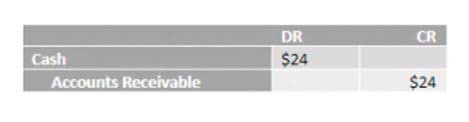
- The conversion of an Accounts Receivable into a Notes Receivable, a process known as Conversion, occurs when a standard customer debt cannot be settled within the normal credit terms.
- AFDA is a contra-asset account established specifically to estimate the portion of the outstanding notes that are expected to be uncollectible.
- In this case, your accounting team may choose to report it separately from other types of long-term investments like stocks and bonds.
- They provide a structured, enforceable means of credit extension and repayment, which is essential for the smooth operation of many businesses.
- On the other hand, notes receivable that have a maturity date of more than one year from the balance sheet date are considered long-term investments and should be classified under non-current assets.
Is accounts receivable an asset? What finance leaders need to know

They reflect the creditworthiness of customers and the company’s ability to manage credit risk effectively. Understanding the nuances of notes receivable is essential for accurate financial reporting and effective financial management. They represent a valuable financial asset that businesses can use to generate income and maintain cash flow. However, it’s essential to understand the nature of these notes and how they relate to your overall financial picture. While notes receivable are typically considered current assets due to their short-term nature, there are instances where they may not meet this classification criteria.
When this occurs, the collection agency pays the company a fraction of the note’s value, and the is a note receivable a current asset company would write off any difference as a factoring (third-party debt collection) expense. Let’s say that our example company turned over the $2,200 accounts receivable to a collection agency on March 5, 2019 and received only $500 for its value. Companies, however, can expand their business models to include more than one type of receivable.

- Notes receivable are a double-edged sword; they can bolster a company’s financial position through interest income and improved liquidity but also require diligent management to minimize the risk of default.
- They impact the liquidity and financial health of a company, as they are expected to be converted into cash within the operating cycle.
- Their role extends beyond mere financial instruments; they are a testament to trust and creditworthiness in the business world.
- Including industry terminology will show you are “current” with the profession and know what the trends are at this time.
- Providing the amounts of the assets and liabilities answers the “what” question for stakeholders (that is, it tells stakeholders the value of assets), but it does not answer the “when” question for stakeholders.
It informs them of their rights, such as the right to receive a notice of default and the opportunity to cure it, and their obligations, like ensuring payments are made on time to avoid legal repercussions. Maturity value is the https://nobelindiaoverseas.com/index.php/2024/04/23/automating-your-accounts-payable/ amount that the company (maker) must pay on a note on its maturity date; typically, it includes principal and accrued interest, if any. Note that in this calculation we expressed the time period as a fraction of a 360-day year because the interest rate is an annual rate and the note life was days. Finally, at the end of the 3 month term the note receivable is honored by the customer together with the accrued interest, and the following journal completes the transaction. Below is a break down of subject weightings in the FMVA® financial analyst program. As you can see there is a heavy focus on financial modeling, finance, Excel, business valuation, budgeting/forecasting, PowerPoint presentations, accounting and business strategy.